

Exclusive: cruise brands urged to rethink lates strategy
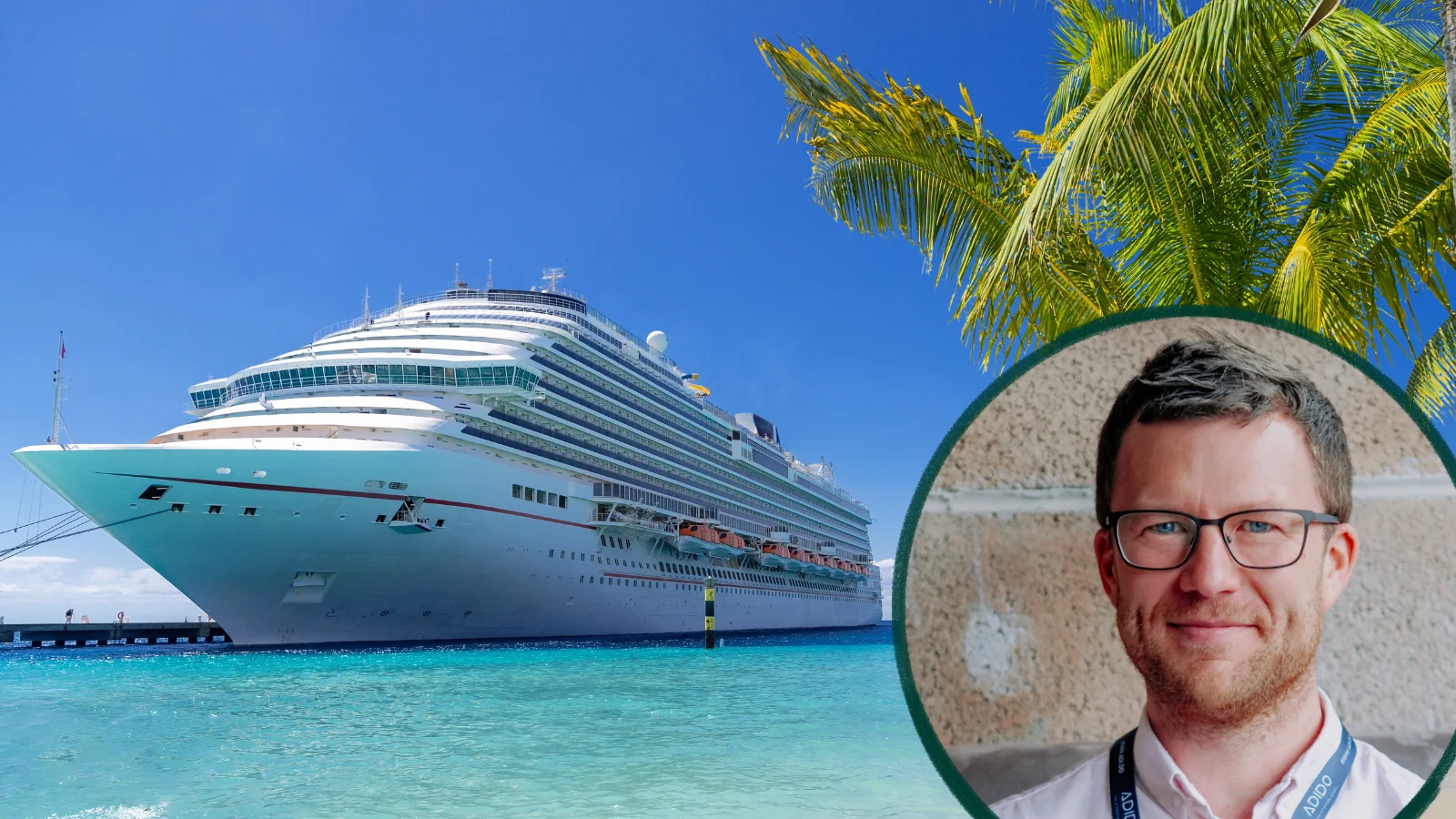
As the cruise industry prepares for the lates market, operators and agents must look beyond discounts to drive demand, writes Adido chief executive Andy Headington for Cruise Trade News
For years, lates marketing followed a familiar formula: cut the price, send an email and watch demand follow. In summer 2026, that approach looks increasingly outdated.
While opportunities exist to fill late cruise capacity, today’s customers are booking for a more complex mix of reasons, including value-seeking, flexibility and wider uncertainty. Many late bookers are seeking reassurance as much as a discount.
Importantly, there are reasons to be positive. At the recent CLIA Conference, cruise leaders highlighted the chance for UK agents to fill late capacity this summer as some overseas markets soften.
Celestyal chief commercial officer Lee Haslett pointed to softness in Australia and New Zealand, alongside a double-digit decline in Americans travelling to the eastern Mediterranean this summer, creating opportunities for UK and European customers.
The challenge is that excess capacity alone does not create bookings. Consumers still need a compelling reason to act, confidence in their decision and an easy path to purchase.
That’s where marketing can make the difference. Here are four priorities I believe the industry should focus on for the weeks ahead.
Sell the real opportunity, not just the discount
Price will always matter, but value does not always mean the cheapest lead-in fare. Value often comes from inclusions, convenience, clarity and the overall experience. The strongest campaigns will clearly show what is available, how it represents value and why customers should act now.
Focus marketing spend where capacity exists
Marketers should use search data to focus spend on sailings with genuine availability and strong commercial value. Campaigns should support business objectives, not simply generate traffic. This is particularly important when availability is uneven. There is little point creating demand for itineraries, dates or cabin grades that cannot be converted.
Build proper lates landing pages
A good lates landing page should act as a live selling hub. It should be easy to update and clearly show availability, lead prices, departure dates, duration, inclusions and booking conditions. It should also provide reassurance. Late bookers often have practical questions: How quickly do I need to pay? Is the cruise financially protected? Are flights included? What happens if plans change?
Segment email and join it up with human contact
A blanket “last chance for summer” email has a place, but segmentation will do more of the heavy lifting. The more relevant the message, the more useful it becomes.
That means email, phone, live chat, WhatsApp and branch messaging need to be joined up. If a customer clicks on a late Mediterranean voyage, browses a family-friendly sailing or abandons a quote, the follow-up should reflect that behaviour.
The opportunity for cruise this summer is real. But filling cabins will depend less on who offers the biggest discount and more on who removes the friction from booking. The brands that make it easy for customers to find the right cruise, feel confident in their decision and book quickly will be the ones that win the lates season.
Andy Headington is CEO at Adido