


Middle East crisis sparks surge in Northern Europe cruise demand
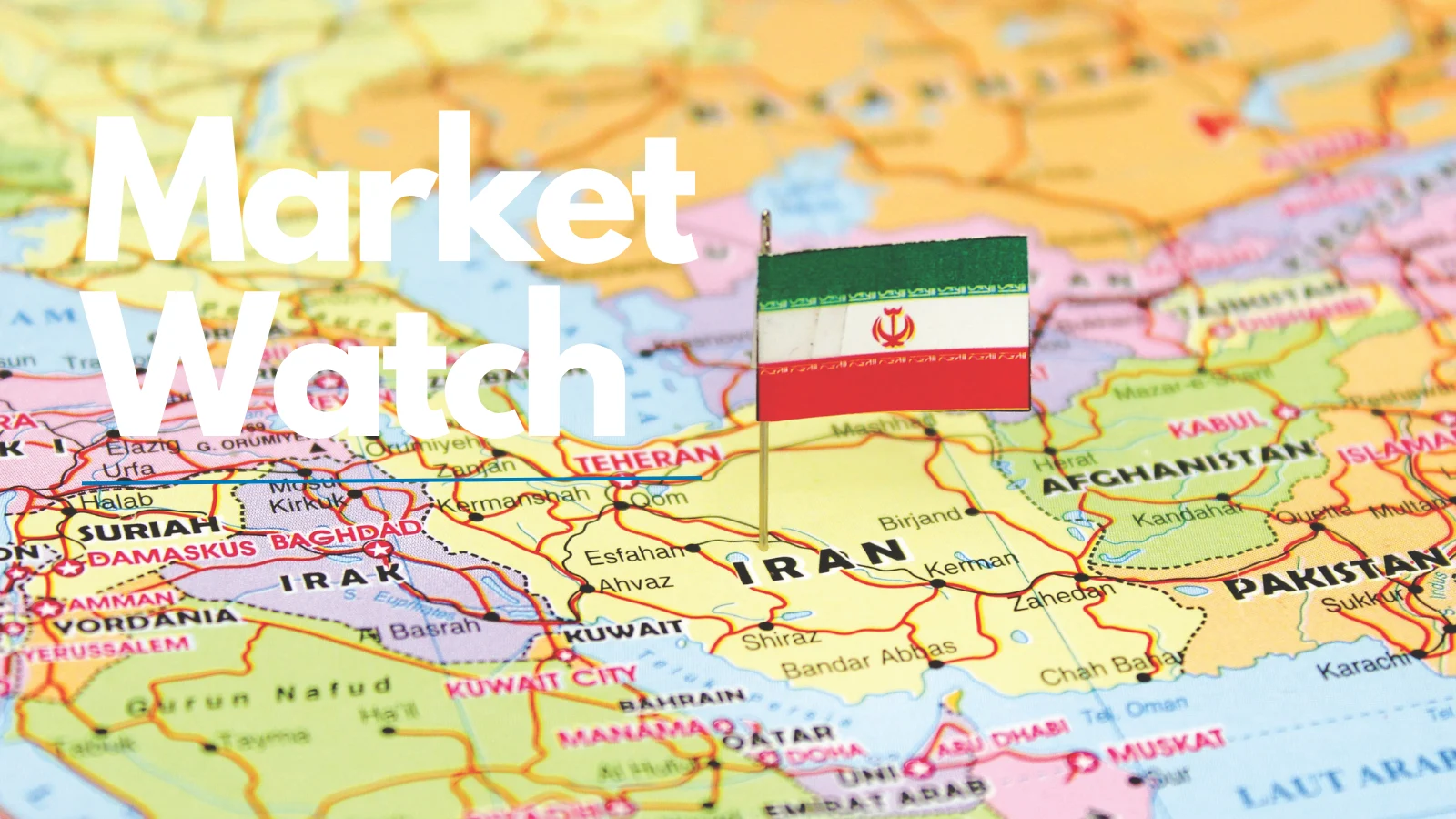
The Middle East crisis has revealed a striking divergence in cruise demand and signalled where travellers may be heading next
Search data from our sister publication, World of Cruising, shows interest in sailings to Africa, the Middle East, the Far East and Australasia falling sharply following the start of the conflict, while Northern Europe and Norwegian fjords searches surged by 46 per cent.
On 28 February, the United States and Israel launched a series of strikes against Iran, reshaping the geopolitical landscape for travellers and operators. Retaliatory strikes by Iran on neighbouring countries followed, triggering the closure of regional airspace and the Strait of Hormuz.
The response from the World of Cruising readership was immediate. Within 48 hours of the first strikes, thousands of readers had turned to our coverage for information, making the story, by far, the most read on the site in March. Geopolitical events have become as important to our readers as guides and ship reviews.
Shifts in interest in certain destinations emerged quickly. In the week the strikes began, interest in Africa and Middle East cruises dropped by over 30 per cent. Sailings to the Far East and Australasia fell by a similar margin, likely a knock-on effect of disrupted flight routes through the usual Middle Eastern hubs. In the same week, interest in Northern Europe and the Norwegian fjords jumped by 46 per cent. Travellers, it appears, sought certainty.
This is different from what we observed following the Caribbean airspace closure earlier this year. In that case, Caribbean demand remained broadly stable: travellers seemed to treat the disruption as temporary and local and largely held their course. The Middle East crisis, by contrast, appears to be registering as a longer-term concern.
Overall search volume on the site has remained in line with expectations, which confirms that cruise demand itself has not evaporated. Demand has proved resilient before, and it is proving resilient again, but not static.
The question for operators over the coming weeks is whether the reallocation of interest toward safe-haven destinations continues – and whether the routes that run through Middle Eastern airspace will recover as quickly as the Caribbean did, or whether consumer concerns prove more lasting.