
How small-ship cruising is winning over a new generation of travellers
As cruisers seek out more immersive travel experiences, we examine how small-ship operators such as Windstar Cruises are rising to the challenge
When it comes to choosing which cruise line to sail with, “big is beautiful” seems to be the idea that guides many travellers’ choices. Yet, while the major lines and their mega-ships can certainly offer some amazing facilities, there is another way to cruise.
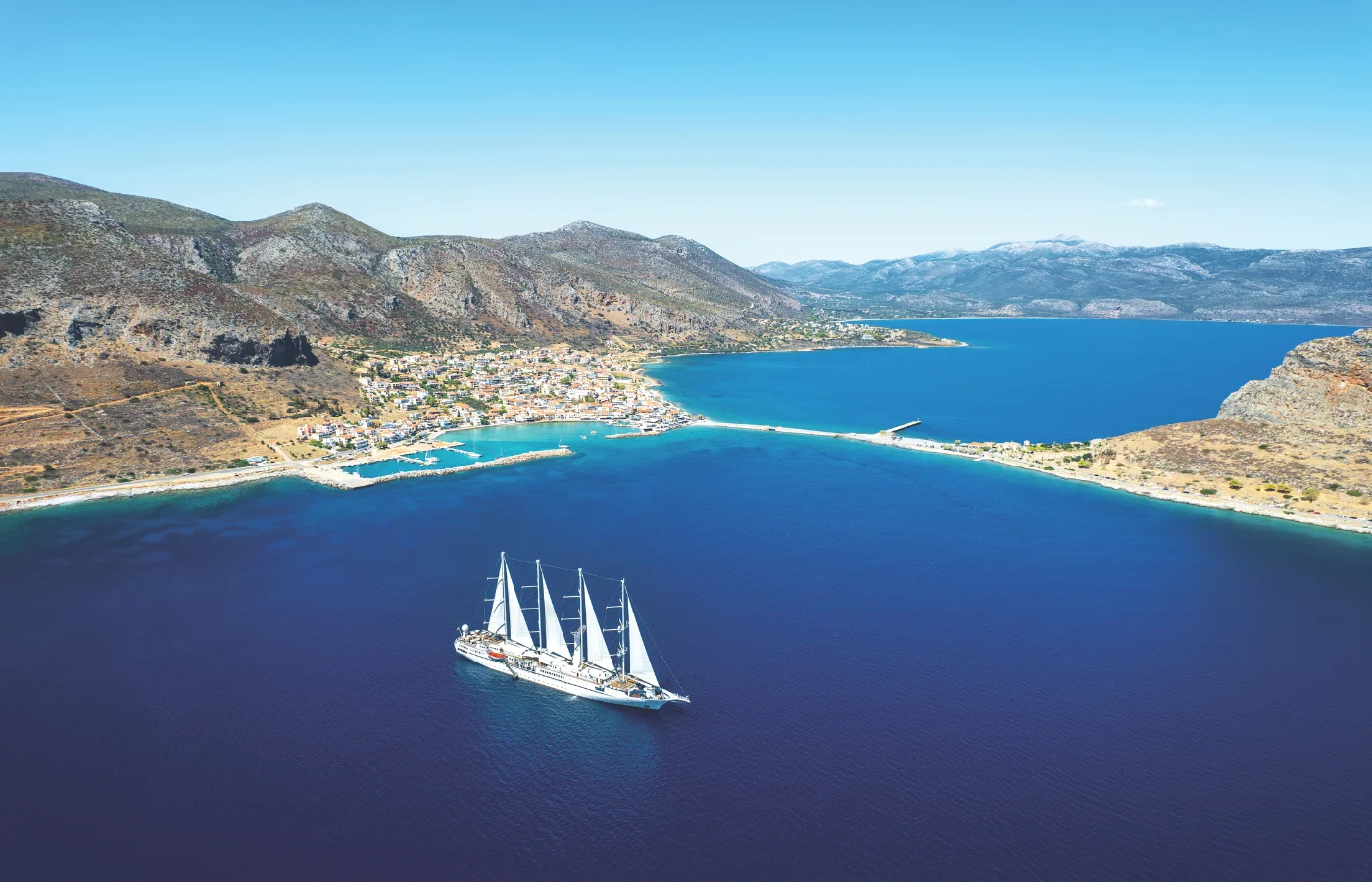
Small-ship operators such as Windstar Cruises, Ponant and HX Expeditions, whose vessels carry fewer than 600 passengers, are attracting seasoned sailors and land-lubbers alike with the promise of more intimate onboard experiences, a higher space-to-guest ratio and authentic, truly immersive destination experiences.
This trend has been good news for Unforgettable Croatia co-founder Graham Carter, who tells Cruise Trade News that 68 per cent of his bookings for this summer are from first-time cruisers seeking a more luxurious experience at sea. “We are seeing a shift,” he says, “with people who typically book boutique properties on land now coming to us because they see our ships as being more like floating luxury hotels.”
Some cruisers assume that because a ship is small, there won’t be much to do on board. But that again is a misconception. While compact vessels may lack the space for ziplines, waterslides and rollercoasters, there is never any reason for guests to feel bored.
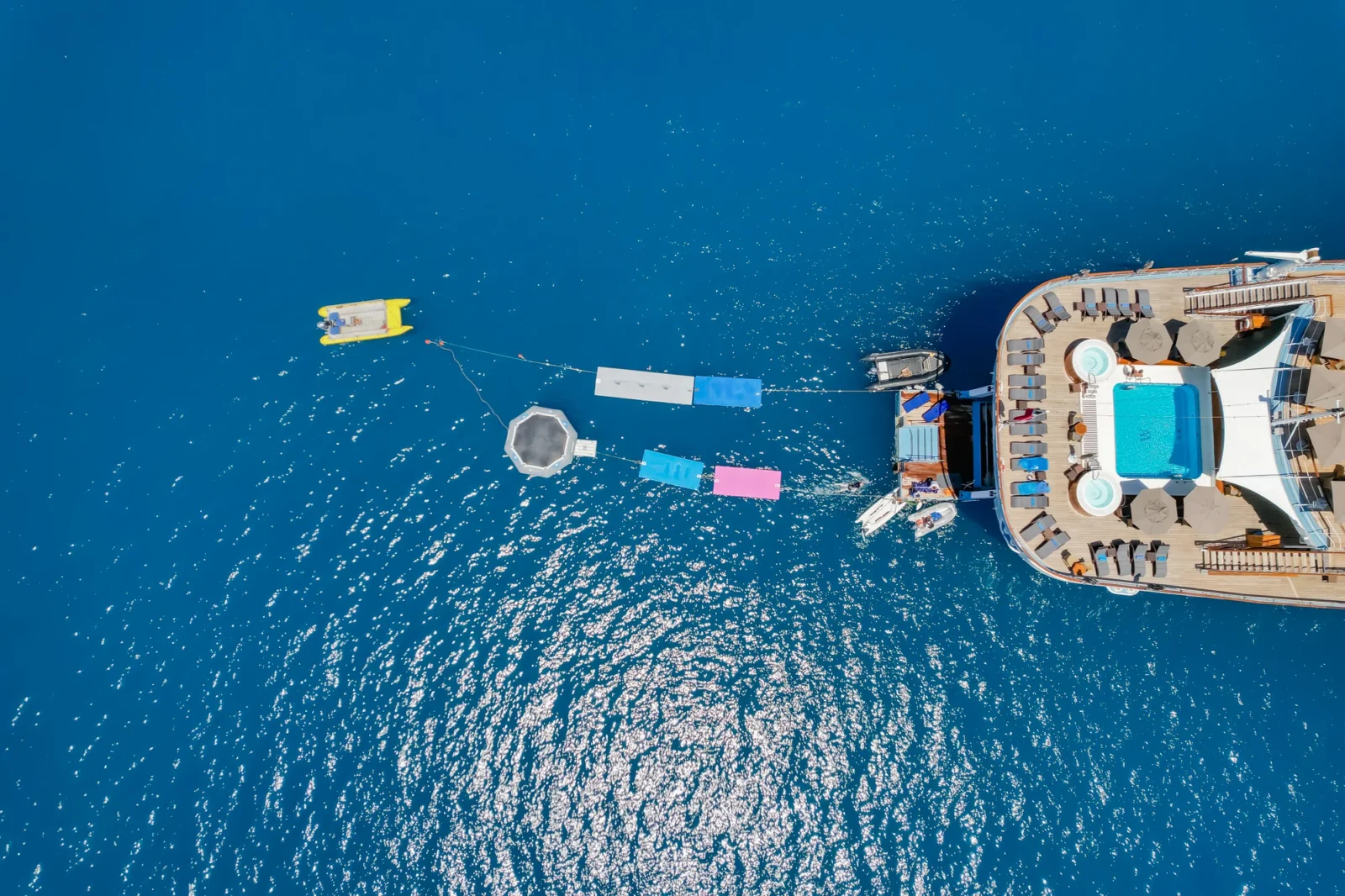
“Have you ever had those moments when you’re in a beautiful location, it’s warm and sunny, you’re surrounded by all this incredible water and you think, ‘I wish I could just jump in right now’?” asks Tanya Roberts, entertainment and engagement manager on Windstar’s Star Legend.
“The structure of Windstar’s vessels means the back of the ship opens out, so you can do exactly that. We also set up an inflatable cabana, plus we have kayaks and snorkel gear.”
Despite all the time they spend at sea, most cruisers never get the chance to dip a toe in the water. But on a small ship that is always a possibility, and there’s nothing like it for giving a sense of intimacy with your destination.
Tanya Roberts also praises the onboard entertainment, which is totally different from the West End-style productions created for larger cruise lines. “Everything that goes into our shows is created by the crew,” she says. “They conceive, build, rehearse and perform it, which is wonderful because the guests then see the crew members in a totally new light, and that creates a bond.”
Food is undoubtedly one of the most important parts of a cruise holiday. In fact, Cruise Trade News’ second Annual Report recently revealed that food and drink are the best aspect of a holiday at sea for 60 per cent of sailors.
Windstar has embraced this trend by building its menus around locally sourced ingredients and developing a ‘Shopping with the Chef’ programme, whereby guests are taken to food markets while in port to shop for ingredients, which are then used to make that evening’s meal.
“When planning our Shopping with the Chef experiences we’re careful to pick towns with the best local markets, such as Livorno or Nice,” says Artur Pacholski, Windstar’s food and beverages manager.
“On our seven, eight or nine-night voyages, our chef has a budget of around €1,000 when he goes with the guests to buy fresh ingredients for the ship. They choose the local stuff – the cheeses, olives and cold cuts – and if guests feel like having some fish, the chef will purchase and prepare it for them as an extra dish on the menu.
“Normally we take around 20 guests each time, but sometimes interest has been so high that we’ve had to organise two shopping trips.”
Our yachts carry between 148 and 342 guests, which means they are able to provide a more personalised, immersive and tranquil experience
Another increasingly important travel trend is self-improvement, and last year Windstar responded by introducing a series of wellness-themed cruises. Life coach, author and healer Debbie Dixon joined the sailings, which featured daily meditation, breathwork and yoga sessions, as well as talks on mental, physical and spiritual health.
“Wellness is an essential part of a holiday as it helps travellers reset and escape from daily schedules and habits,” says the line’s head of sales, Augustus Lonsdale.
“Incorporating wellbeing into a cruise helps combat modern burnout by lowering cortisol levels, repairing sleep cycles and helping guests to return to daily life with a renewed sense of purpose.”
Can the wellness offering of a small ship really compete with those of larger operators, which often have the luxury of extensive spa areas and more wide-ranging fitness packages? “Our yachts carry between 148 and 342 guests, which means they are able to provide a more personalised, immersive and tranquil experience,” adds Lonsdale.
“Without the crowds and the vast array of facilities of larger ships, the overall environment is quieter and more conducive to mental relaxation, plus our saunas and pools are rarely overcrowded so guests won’t need to wake up early to grab a sunbed or a spot in a yoga class.”
And that hints at the true joy of small-ship cruising. While huge vessels with their endless activities, diverse dining options and large entertainment teams do have their appeal, nothing beats the sense of freedom that comes with strolling around a ship as though it were your own.
When you add personalised service and enriching destination experiences into the mix, it becomes a wholly different holiday proposition altogether.