

Private islands: Is cruise creating a tourism bubble?
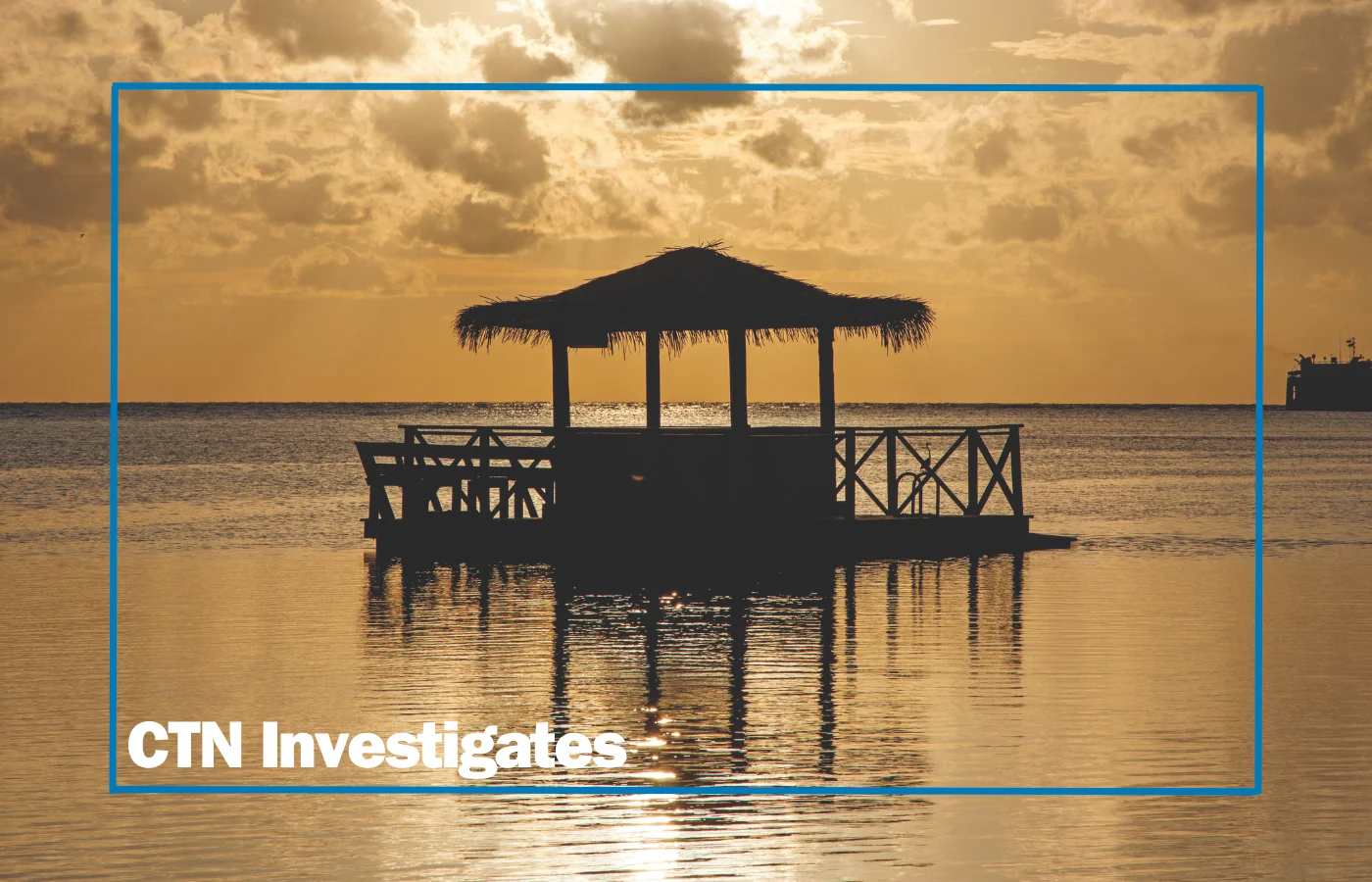
Some of the world’s largest cruise lines are using private islands to bolster their itineraries and keep customers in their grasps. But is the sector at risk of creating a tourism bubble? Emily Eastman investigates
The cruise sector has long promoted its authentic local immersion opportunities. However, in recent years the industry has seen a sharp rise in private resorts, with land-based portfolios providing exclusive use for guests, leading to reshaped itineraries, spend and shore experiences.
The result? Private destinations are becoming as marketable as the ships themselves. This rapid rise in cruise-owned private islands and beach clubs is rooted in offsetting rising fuel costs; circumnavigating port restrictions; and easing bottlenecks caused by destinations such as the Arabian Gulf, Holy Land, Red Sea and St Petersburg currently being off limits; plus the pursuit of greater economic returns (some operators are targeting more than 70 per cent of retained onboard revenue spend within their owned destination ecosystems).
But demand fuels growth, and there’s no denying guests’ appetite for these secluded ports of call. As cruise drifts between authentic local immersion and exclusive destinations, the question posed is whether private destinations are easing overtourism, or simply creating “bubble tourism”, where the benefits aren’t felt by local communities.
The rate of change has been fast. Back in 1977, Norwegian Cruise Line (NCL) pioneered the trend with its development of Great Stirrup Cay in the Bahamas. Others followed, and today these private destinations present a copy‑paste offering: self-contained, safe, controlled and hassle-free environments providing well‑maintained beaches and facilities, with seamless access to shipboard perks ashore and a variety of activities to suit every holidaymaker. There’s no denying the appeal.
“We are definitely seeing increased interest, particularly from families and newer-to-cruise customers,” says Sam Ballard, managing director of Club Voyages. “In many cases, clients may not ask specifically for a private island by name, but once they understand what’s included, it quickly becomes a strong selling point.”
Travel Counsellors’ Andreea Spasova agrees, but adds that for most of her clients, “a private island is the cherry on top rather than the main reason for booking”.
Much of this, says Ballard, comes down to simplicity and consistency. “Traditionally, beach days in the Caribbean could sometimes feel logistically difficult — crowded ports, expensive taxis, uncertainty over facilities or concerns around safety and cleanliness. Cruise-owned destinations remove much of that friction. Guests know the food, drinks, standards and overall experience will align with the ship itself.”
Social media has also played a huge role. “Destinations like [Royal Caribbean’s] Perfect Day at CocoCay or [MSC Cruises’] Ocean Cay have become highly visual products in their own right, with beach clubs, waterparks and premium cabanas marketed almost like standalone resorts,” Ballard says.
Travel consultant Karen Tribe notes that it is generally Royal Caribbean customers who want the private island experience. “Royal Caribbean was one of the first to move into private destinations, and so there’s greater awareness of CocoCay. But other brands will want a piece of this. Destination cruises are always looking for new islands,” she says.

Amid the growth, cruise lines are still conscious of their environmental impact. MSC Cruises’ Ocean Cay MSC Marine Reserve puts emphasis on its marine conservation work, having transformed Ocean Cay from a sand excavation site into a flourishing ecosystem.
Independent marine experts have helped to create a biodiverse environment, and the island houses a base for marine biologists to conduct research on coral restoration. Ocean Cay is home to the MSC Foundation’s Super Coral Programme, which is dedicated to restoring coral reefs in The Bahamas, and non-profit Mission Blue has designated the reserve a ‘Hope Spot’, underscoring the island’s role in ensuring ocean health. But there’s a balance to strike, and some authorities are pushing back.
Mexico’s environmental agency recently blocked Royal Caribbean’s planned Perfect Day Mexico project in Mahahual, citing damage the 230-acre waterpark could cause to surrounding mangroves and reefs.
Royal Caribbean has stated that it is “optimistic in the potential to advance our investment responsibly”. Then there are the economic issues. Although private cruise destinations provide some tax revenues and local employment, they keep spend within their own ecosystem – meaning local communities and independent operators lose out.
But it’s not necessarily a case of either/or – Ballard argues that there’s room for both. Many clients appreciate the duality of traditional port calls, with exploration, culture and sightseeing, punctuated by the “easy holiday days” of private destinations, which are more comparable to a premium resort experience.
Spasova agrees, noting how the demand for private destinations reflects how cruising as a whole is evolving. “Today’s travellers want flexibility, the chance to relax, explore and be entertained, all within one holiday they can shape around themselves,” she says.
And the lines are responding. Royal Caribbean recently opened Royal Beach Club Santorini, the line’s first private beach club in Europe. “Expanding our Royal Beach Club Collection to include Santorini – one of the world’s most popular and beautiful locations – is a bold step forward in growing our vacation portfolio,” said Jason Liberty, president and CEO of Royal Caribbean Group, when the line announced its Ultimate Santorini Day excursion.
Undeterred by the situation in Mexico, it’s one of several new developments from the line, with others scheduled to open across the Bahamas, Europe and the South Pacific.
“What cruise lines have done very successfully is remove some of the stress traditionally associated with Caribbean port days,” says Ballard. “There’s less concern around transport logistics, local currency, security or whether facilities will meet expectations. For families in particular, that reassurance is incredibly valuable.”
A private island works best as part of a broader itinerary rather than replacing traditional ports entirely
For all the arguments of tradition versus innovation when it comes to cruise destinations, it comes down to this: what do customers actually want?
According to Arrivia’s Mark Wilson, senior vice president of product strategy and operations, Cruise and Tour, 55 per cent of travellers said a private-island stop influences whether they book a specific cruise, and 25 per cent would switch from their preferred brand for it. Seventy per cent of families with children called them a “deciding or somewhat important” factor.
For Daniel Henry James, a personal travel concierge with Travel Counsellors, this variation in demand cements the agent’s role. “More than ever, the cruise knowledge of the booking agent is invaluable to manage the clients’ expectations and match them to the right product and itinerary,” he says.
The lines with the best offerings are seeing their revenues grow faster. For example, according to Reuters, Royal Caribbean spent $250 million to renovate CocoCay, and from its opening in 2019 to 2024, the company’s third-quarter expenses including commissions increased 41 per cent, and ticket revenues were up 48 per cent.
It’s no surprise that other lines are scrambling to recreate the success. It forms part of a wider trend representing where the cruise industry is heading commercially: towards greater control over the guest experience.
Whether this is bubble tourism in action depends on perspective. For luxury and expedition cruise clients, meaningful local experiences remain king. For some destinations, infrastructure investment is a welcome alternative to congested ports and overtourism.
“Most customers still want a balance,” says Ballard. “A private island works best as part of a broader itinerary rather than replacing traditional ports entirely. The strongest itineraries still combine convenience with genuine destination discovery.”
Despite simultaneously solving and creating tourism challenges, private islands are here to stay. Whether the future of cruising can balance commercial control with meaningful destination engagement is a question likely to play out in the coming years – and the industry may ultimately need to prove that convenience and authenticity are not mutually exclusive.