CTN Annual Report 2026: is cruise welcome?

As governments and port communities continue to point the finger at cruise for its contribution to overtourism, does it deserve to be in the firing line or is it being unfairly targeted?
It started as a sequence of protests from angry locals rallying against the “touristification” of their cities. However, it wasn’t until a giant cardboard ship was seen being floated down the streets of Genoa’s Old Town that the campaign against overtourism arrived squarely at the cruise industry’s door. And now, as Europe faces another year of rising visitor numbers, hiked prices and extreme summer heat, we can reveal that overtourism is starting to have a profound impact on consumers’ holiday choices.
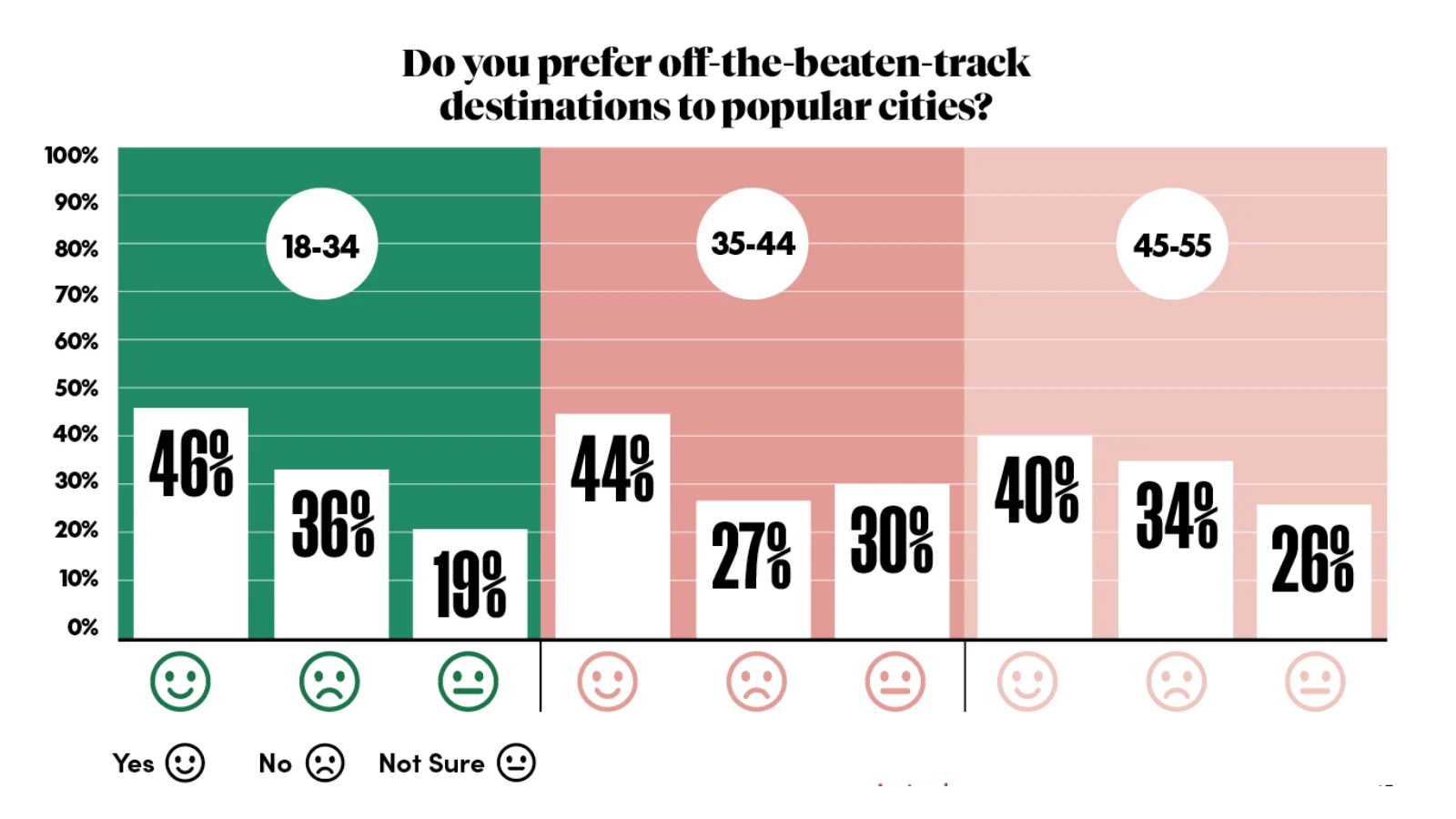
According to our survey, nearly half (46 per cent) of repeat cruisers say overtourism will influence where they decide to sail to next, a sentiment shared by 41 per cent of new-to‑cruise respondents. It’s an issue that’s especially close to the hearts of the next generation of travellers, with 55 per cent of 18-34-year-olds and 49 per cent of 35-44-year-olds saying they’re concerned by overtourism, more than any other age group.
Download the Cruise Trade News Annual Report 2026
More alarming than this, though, is the fact that a growing number of travellers believe cruise is to blame. When asked if cruise is a greater cause of overtourism than other holidays, more than a third (34 per cent) of new‑to‑cruise and nearly half (46 per cent) of repeat cruisers agree. And they’re not the only ones, with governments around the world ramping up restrictions in an attempt to stem cruise visitor numbers.
In 2023, Amsterdam announced it was planning to limit cruise calls to 100 a year before eventually banning ships from its city centre entirely by 2035. Meanwhile, in 2024 the mayor of Bordeaux, Pierre Hurmic, called for a complete ban on ships docking in the French city amid complaints the vessels were an “eyesore” and “caused environmental damage”.
Several major port cities, including Barcelona, Cannes and Dubrovnik, have already begun capping cruise visitors. In 2018, Dubrovnik started limiting ship arrivals to two per day, with mayor Mato Franković making it law for all ships to stay in port for at least eight hours. “Back in 2017, cruise ships usually stayed for just four hours,” he said. “People ran into the city, took a photo and left.”
However, recent history has shown that negative sentiment toward the cruise industry can be reversed. Last year, Mexico’s proposal to introduce a £31pp charge on cruise arrivals was halved to £15.75pp after concerns about the levy were raised by the Florida-Caribbean Cruise Association (FCCA). In response, the FCAA said: “The cruise industry is a success story for Mexico, contributing roughly $1 billion in direct spending to the economy in the past year alone.”
It’s easy to see why cruise – with its hulking mega ships and swells of transient day guests – gets the lion’s share of the blame for overtourism. However, there are many who believe the industry is being unfairly targeted and that a closer look at the data reveals a different story.
“In many destinations, overtourism is driven more significantly by day-trippers, independent visitors and short-term rentals,” says Flavio Zappacosta, head of operations for the UK and Ireland at the Italian Government Tourist Board. “Cruise tourism, by contrast, is typically managed through port scheduling, capacity limits and regulated itineraries. Cruise passengers represent only a fraction of total visitors.”
The argument often levied is that short-stay cruise visitors spend far less than land-based guests, a notion that managing director of CLIA UK & Ireland Andy Harmer OBE disagrees with. “In most European destinations, cruise guests represent a small share of overall visitors – often less than five per cent of total tourism volumes – yet they make a meaningful contribution to local economies through shore excursions, retail, hospitality and, in turnaround ports, pre- and post-cruise stays. This is in addition to the port fees and taxes paid, and local procurement and shoreside operations of cruise lines.”
Research conducted by CLIA in 2023 found that the average cruise traveller spends £70 per port on a typical seven-day cruise. It also found that cruise travellers spend 54 per cent more per hour in some destinations compared to day visitors.
Cruise lines work closely with ports, municipalities and tourism boards to help spread demand, reduce seasonality and support sustainable destination management, with port calls agreed years in advance. Harmer suggests this collaborative approach makes the cruise sector unique.
“Cruise tourism is planned and managed tourism,” he says. “It operates on long lead times, with ship itineraries and port calls agreed years in advance. This advance planning – which exceeds the lead times of other forms of travel – creates unique opportunities to manage visitor flows and maximise the social and economic benefits of cruise tourism.”
CLIA has been pivotal in fostering this collaborative approach. In 2019, the association signed a joint agreement with Dubrovnik to preserve the city’s cultural heritage by helping to spread out the number of cruise calls. Agreements such as this, Harmer argues, can lead to longer stays and better tourist management.
“With calls scheduled up to three years in advance, the cruise sector can actively support long-term planning, infrastructure readiness and community-led tourism strategies – including in smaller and emerging destinations that benefit from more balanced tourism development.”
Despite the positive alliance CLIA has tried to foster with local governments, countries grappling with overtourism will be rightly concerned by the millions of additional passengers expected to be sailing by 2030. This is especially true for countries like Spain, which welcomed a record number of cruise visitors last year, jumping 9.9 per cent to more than 13 million.
“Cruise holidays are a huge driver of tourism,” says Manuel Butler, director of the Spanish Tourist Office in London. “However, high passenger volumes bring challenges, and cruise traffic is a contributor to overtourism,” he says. Barcelona, Mallorca, Las Palmas and Tenerife have recently introduced docking limits and relocated ports to ease pressure. Butler believes this is the only way to ensure cruise positively impacts busy port regions.
“Some smaller ships are now visiting secondary ports such as Tarragona, Cartagena and A Coruña, spreading economic benefits more widely.”
Small ships, expedition and river cruises reach destinations in a considered way, often avoiding mass tourism
Sentiment toward cruise and its role in overtourism presents a problem for travel agents. If you’re already concerned by large cruise ships and their economic and environmental impact, you’re unlikely to book and risk being perceived as part of the problem. However, Anna Perrott, chief commercial officer, Panache Cruises, believes this presents an opportunity for the trade.
“Overtourism gets mentioned by well-travelled guests, but it opens the door to show how cruising has evolved,” she argues. Perrott says that clients who are new to the sector are surprised at the breadth of options when it comes to cruising, with most still picturing a holiday at sea as large ships in crowded ports.
“Small ships, expedition and river cruises reach destinations in a considered way, often avoiding mass tourism. Once clients understand this, they quickly see cruising as immersive, flexible and experience-led.”
Concerns around overtourism coincide with a growing desire for more intimate sailing experiences. Nearly a third (32 per cent) of 18-34-year-olds say they would like to book a small ship cruise for their next holiday. Meanwhile, 82 per cent of repeat cruisers tell us they’re tempted by river cruising.
Conversely, 29 per cent of the same cohort say they wouldn’t enjoy a holiday on a traditional ocean cruise. Not-so-hot tickets Rising temperatures have exacerbated the overtourism issue further, with tourists being put off from visiting tourism hotspots in Spain, Greece and Portugal during summer periods.
This has led to the rise in ‘cool-cations’ where travellers are actively planning their escapes outside of peak holiday period, with Christmas and shoulder seasons becoming increasingly popular times to travel.
According to our survey, 71 per cent of repeat cruisers say that they would book an early or later holiday to avoid the hottest summer temperatures. Advantage Travel Partnership recently reported a 12 per cent rise in Christmas bookings compared to 2024, with festive trips to Lapland proving particularly popular.
Meanwhile, city breaks to destinations with popular Christmas markets such as Prague, Krakow and Berlin accounted for 13 per cent of overall bookings. The company has seen long-haul travel demand generally remain in line with 2024.
However, the usually popular Dubai and Caribbean have seen a decline in bookings compared to last year, with the Far East continuing to remain popular with a 13 per cent rise in bookings.
With scrutiny intensifying, cruising faces a defining moment. Capacity limits, smarter itineraries and a desire to sail on smaller, cleaner ships are clearly on the rise and actively reshaping how people travel. Agents can help by matching clients to the right experience, but for how long will they be able to ease concerns around the sector’s impact when ships are getting larger and more burdensome?