


What does Mexico’s latest cruise tax hike mean for UK agents?
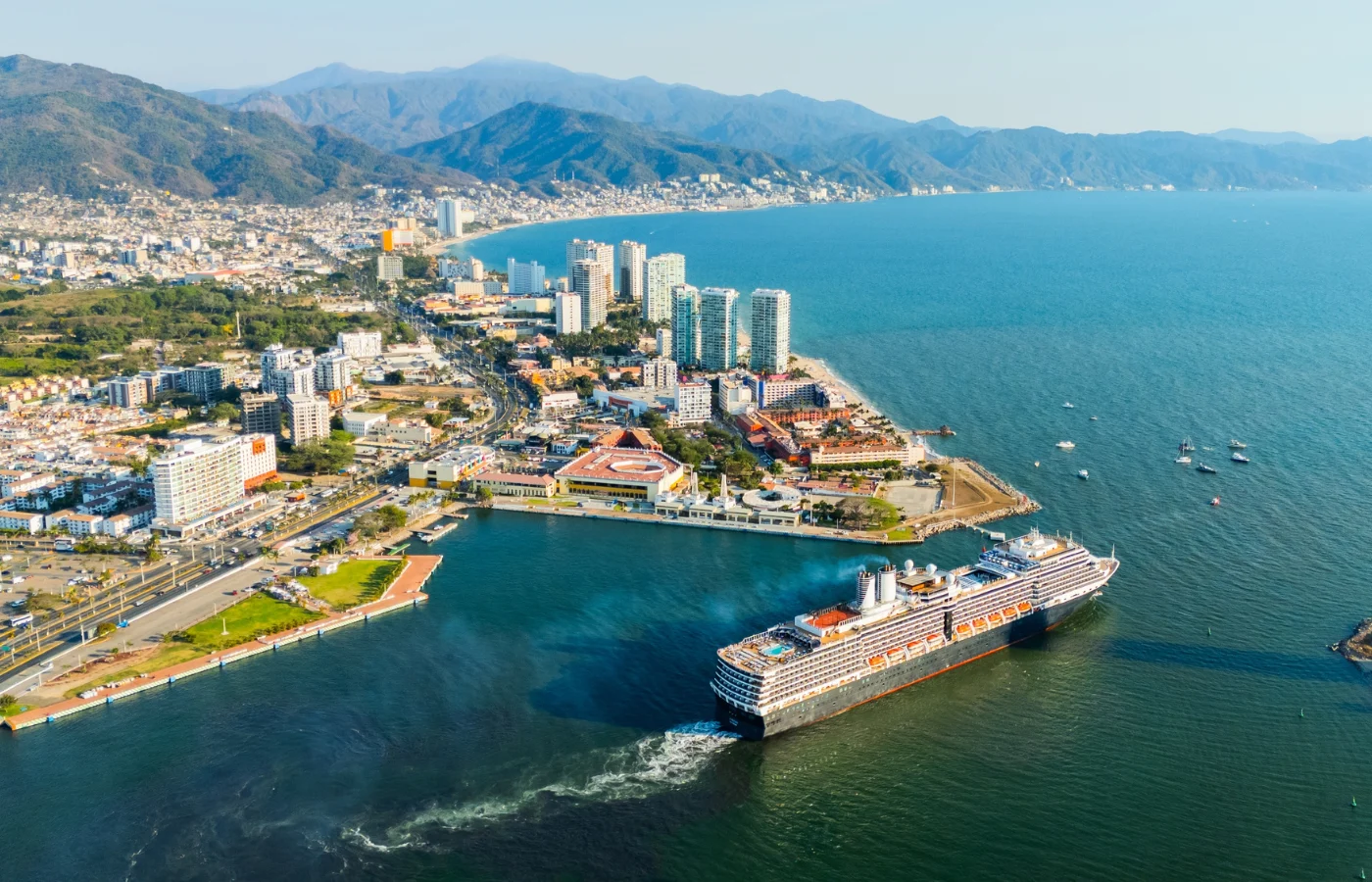
Last week, the Mexican government announced plans to quadruple its cruise passenger tax by 2028. But what does that mean for the UK trade?
From 1 August 2026, the fee for passengers docking in Mexico doubled from £3.70 to £7.40 per person. From 1 July next year, the levy will increase to £11.10 per visitor, and to £14.80 per person from 1 August 2028.
It’s the latest move in a string of decisions implemented by the Mexican government to reduce its cruise calls.
In 2024, officials voted to charge each passenger £33 to dock in its ports, before the charge was slashed to £3.75 per person following pressure from the Florida-Caribbean Cruise Association (FCCA) and its members. When Cruise Trade News asked the FCCA about the latest development, the organisation declined to comment.
Earlier this year, the country blocked Royal Caribbean International’s plans for a new private island destination, Perfect Day Mexico. It was slated to open in 2027 in Mahahual, a beach town on the Costa Maya.
The latest development puts more strain on the industry’s future in one of the world’s most popular cruising hotspots. So, what does the update mean for UK travel agents and future cruise bookings to Mexico?
Will customers have to pay more?
The charge will be collected through cruise lines or their appointed shipping agents and applies once per itinerary, rather than for every Mexican port call.
The immediate impact is therefore likely to be relatively minimal when it comes to individual bookings. A single passenger would currently have to pay £7.40 extra, or £14.80 for a couple, compared with the previous rate of £3.70 per person.
However, agents should check how individual cruise lines are displaying and collecting the charge, particularly when quoting customers and managing bookings.
What does this mean for existing bookings?
The bigger question for agents is whether customers with existing bookings could see their costs increase as the fee rises.
Based on the current scheduled increases, a couple booking a future Mexico cruise could ultimately face a fee of around £30 between them once the 2028 rate applies, compared with around £15 at today’s rate.
Whether an increase can subsequently be passed to an existing customer will depend on the supplier’s booking conditions and how the charge is treated within the booking.
How will this impact 2027 and 2028 sales?
Despite the increased fees associated with calls to Mexico, the additional cost remains relatively small in the context of an overall cruise holiday.
For UK consumers, wider economic and geopolitical factors are likely to have a greater bearing on holiday decisions. ABTA research found 31 per cent of consumers who were not planning a holiday cited the cost of living as a barrier to booking, while YouGov found 19 per cent of travellers were choosing domestic holidays in 2026 to manage costs and 17 per cent were opting for cheaper destinations.
Geopolitical uncertainty is also having a demonstrable impact on travel demand, with TUI reporting weaker bookings in markets affected by the Iran conflict, while Jet2 saw a 7.1 per cent rise in summer bookings as tensions eased.
Against that backdrop, the Mexico fee is unlikely to be the sole deciding factor for customers choosing between a Caribbean or Latin America sailing, although its successive increases will be another cost for agents and cruise lines to factor into future pricing.
Will this make Mexico a harder sell?
The latest increase is unlikely to make Mexican cruises suddenly unaffordable for UK customers, but it adds to concerns about the destination’s competitiveness.
Mexico originally proposed £31 fee per cruise passenger, before industry opposition resulted in a phased introduction at a much lower level. The FCCA warned that the original proposal risked “pricing its ports out of the cruise market” because it would have been significantly higher than the average Caribbean port charge.
Mexico, which welcomed 11.2 million cruise passengers in 2025, up 12 per cent year on year, across 3,156 ship arrivals, will always remain a popular cruise destination.
For agents, the question is therefore less whether an additional £4 or so will deter customers now, and more whether successive increases in destination charges could eventually influence the comparative appeal of Mexican ports.
What does this mean for cruise pricing?
In 2024, the UK government moved to increase protection for consumers when it comes to online price transparency by introducing the Digital Markets, Competition and Consumers Act 2024 (DMCCA) to give regulators like the Competition and Markets Authority (CMA) more power to clamp down on pricing tactics used by online traders.
Since then, the CMA said it is focusing on combatting hidden or late-stage mandatory fees; pre‑selected or automatically bundled optional services; and misleading countdown clocks and other urgency messaging. Alongside its investigations, the CMA reminded companies that under the DMCCA, prices must not be misleading and all mandatory charges, like booking fees, tourist taxes, resort fees and cleaning fees (i.e included gratuities) must be included at the outset.
The new legislation and subsequent rulings makes it important for agents to understand exactly how their cruise-line partners are treating the Mexican charge and ensure their own pricing and quoting systems reflect the applicable cost within the cruise fee at the earliest opportunity.