Fred. Olsen Cruise Lines trials AI technology to reduce food waste
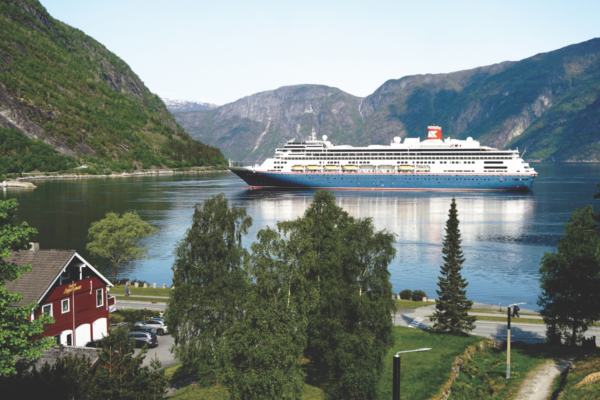
Fred. Olsen Cruise Lines has announced plans to trial AI-powered food waste monitoring devices on its flagship Bolette in a bid to reduce onboard waste
The six-month pilot project with Swiss technology company KITRO forms part of the line’s broader commitment to enhancing efficiency while lowering its environmental impact.
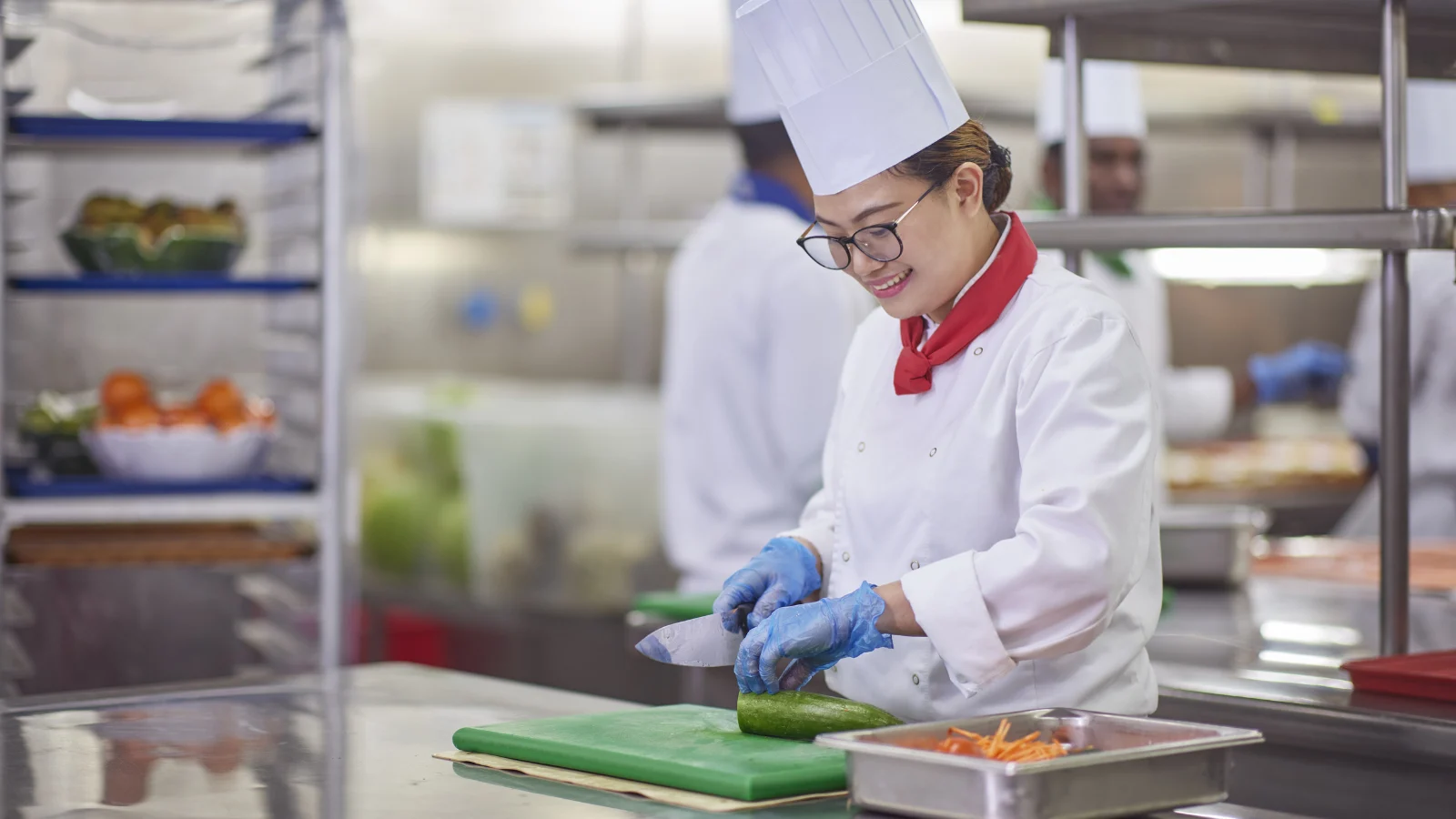
The programme will see the installation of five devices in key galley locations, where they will automatically track and analyse food waste. Using image recognition technology, the system captures and identifies discarded food in real time, recording data such as weight, category and timing, to provide insights into where and why food waste occurs.
The information is made available through an analytics dashboard, enabling onboard teams and KITRO specialists to monitor trends, identify cost-saving opportunities and implement improvements.
Dominic Simpson, sustainability manager at Fred. Olsen Cruise Lines, said: “We’re excited to roll out this trial period. By using KITRO’s innovative AI technology, alongside their expert support, we’ll gain a clearer understanding of food waste on board, helping us make meaningful changes where they matter most. It’s an important step in our wider commitment to improving efficiency and investing in fleet‑wide upgrades that support our long‑term sustainability goals.”
Fred. Olsen will use the findings from the pilot to assess opportunities for a wider rollout of the technology across its fleet.
Jonathan Comotti, head of sales at KITRO, added: “We are thrilled to be launching this pilot with Fred. Olsen Cruise Lines. Food waste is one of the most impactful and actionable sustainability challenges in the hospitality industry, and cruise ships are a fascinating environment to tackle it.
“With the dedication of Dominic and the sustainability and onboard teams, we are confident that together we can make a real difference, saving precious resources and setting a strong example for the wider industry.”